
Reading Delphi history in the sanctuary
Delphi history is the story of a sanctuary whose influence reached far beyond its mountain setting in Phocis, central Greece. The oracle of Apollo drew questions about war and the foundation of colonies, while cities marked their presence through treasuries and offerings. A visit becomes more rewarding when these buildings are read as evidence of relationships between communities, rather than as isolated ruins.
The Sacred Way, Temple of Apollo, theatre and museum offer complementary ways into that story. Start with the archaeological site for the layout, then use the objects to understand the dedications that once occupied it. This is a historical landscape shaped by successive building phases, with mythology woven into its ancient interpretation.
Our picks: exploring Delphi's past
A local guide or a guided site and museum visit provides live interpretation. The bus option with VR offers another way to explore.
Hand-picked tours, booked through Viator and GetYourGuide. Prices are indicative starting prices in euros (as of October 2026). Tap a tour for live availability and the current price in your currency.
Delphi with a local guide
- Local guide
- Licensed guide
A licensed local guide accompanies the visit; admission details are not specified in the included services.
Check availability →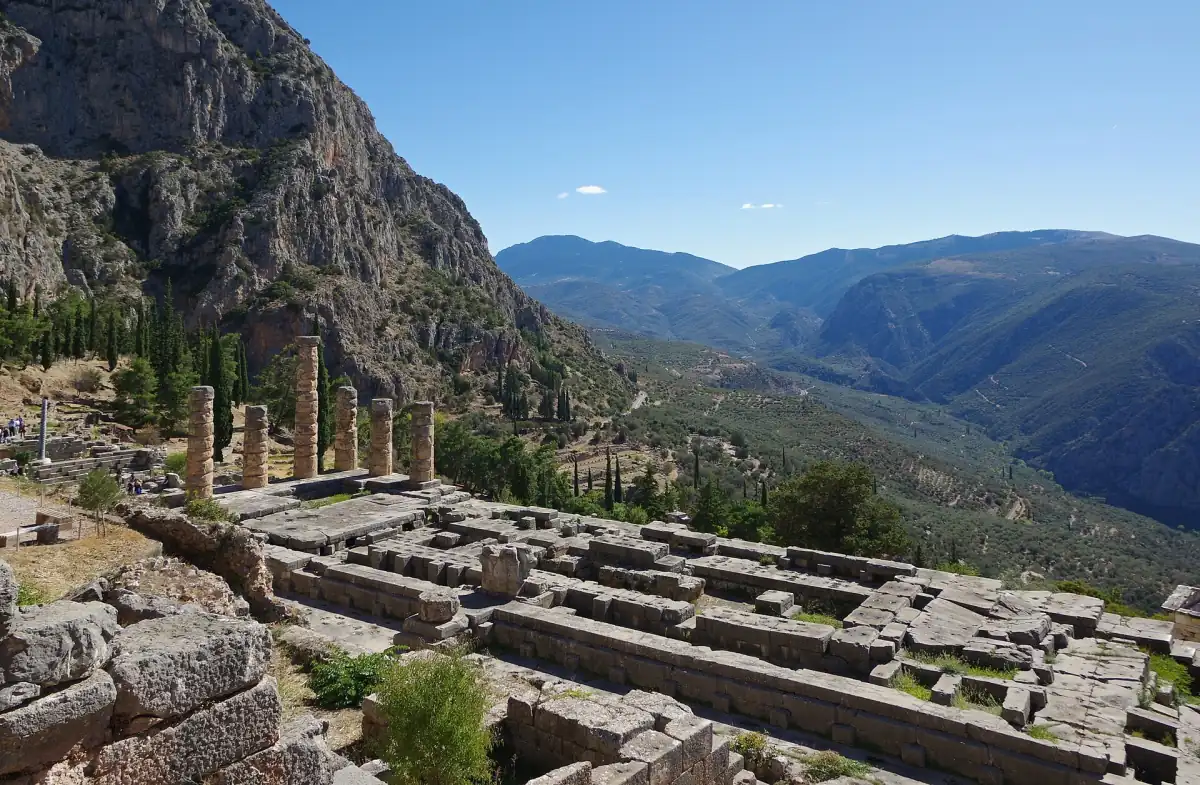
Delphi by coach with a guide
- Transportation with deluxe A/C motorcoach
- Professional site and museum guide
- WiFi on board
A professional guide accompanies the site and museum visit; admission is not specified in the included services.
Check availability →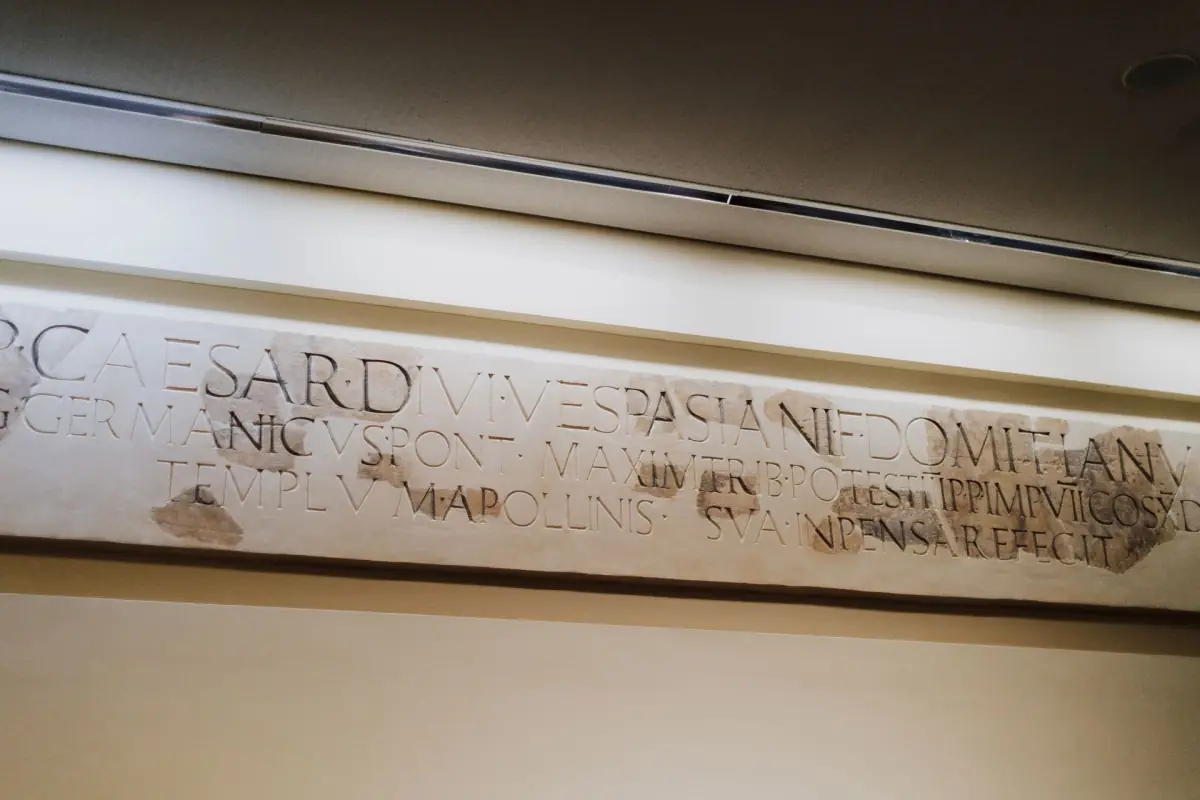
Delphi from Athens with virtual reality
- Roundtrip transportation
- Virtual reality device
- Multilingual commentary
A guide accompanies the bus; site and museum tickets depend on the selected option.
Check availability →Ways to explore Delphi’s past
Travel with VR commentary, join guided visits inside the site and museum, or spend time with a local licensed guide.
An oracle with influence beyond Delphi
The Pythia was the priestess through whom the oracle was consulted. Greek tourism information places its flourishing period between the sixth and fourth centuries BC and describes consultations concerning major public decisions. That gives the sanctuary a political dimension as well as a religious one: questions brought here could concern the future of whole communities.
Ancient belief also made Delphi the centre of the earth, represented by the Omphalos. Apollo defeating Python belongs to mythology, rather than to the sequence of archaeologically established events. Keep these two kinds of account alongside one another without treating them as interchangeable. The oracle guide develops the traditions and the role of the Pythia.
Treasuries, offerings and the changing temple
Following the Sacred Way helps reveal how cities presented themselves at the sanctuary. Treasuries and votive gifts expressed devotion, but also displayed the identity and standing of the communities that dedicated them. Look at their relationship to the route towards the temple: the approach itself gives a useful framework for understanding the sanctuary as a shared setting.
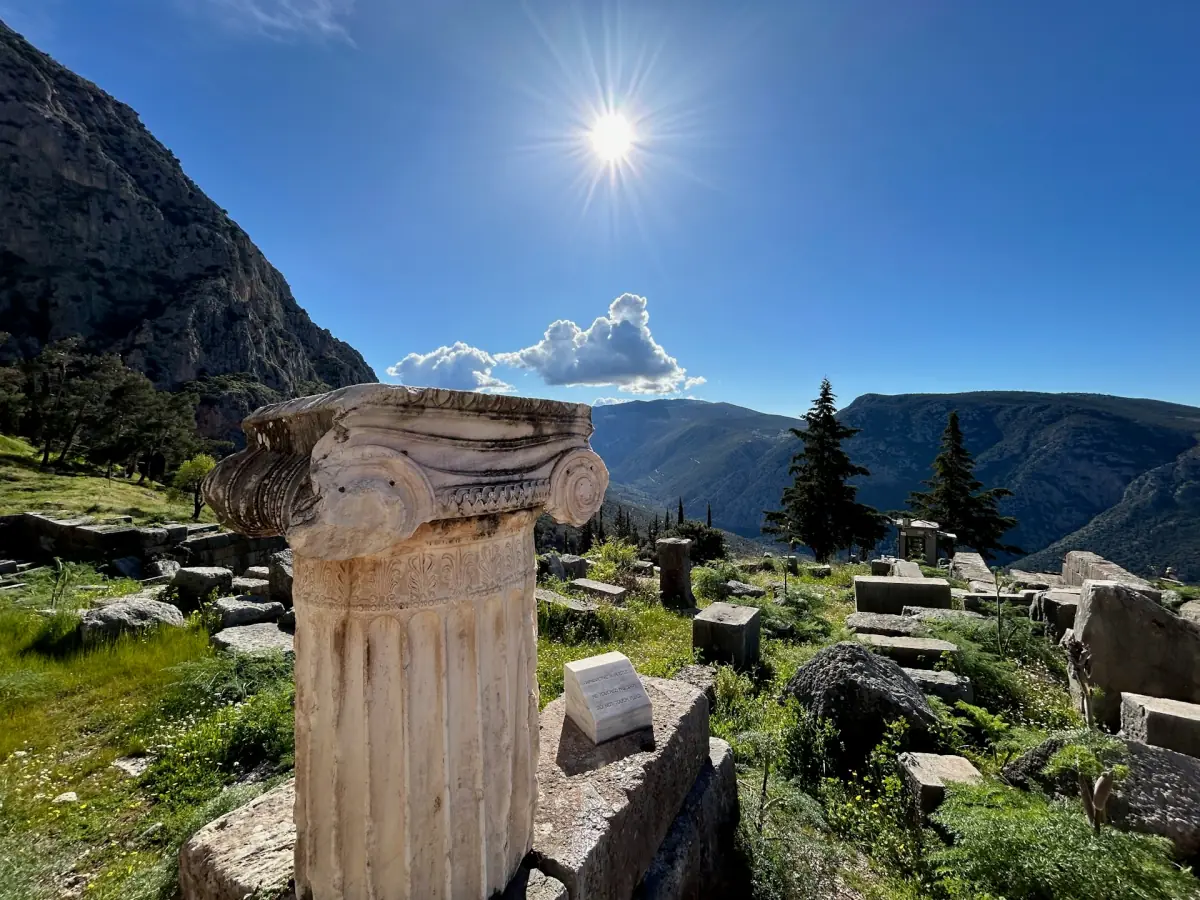
The archaic Temple of Apollo was built in 510 BC and destroyed by an earthquake in 373 BC. The visible remains belong to its Doric successor of the fourth century BC. These are distinct building phases, not one untouched structure surviving from the earliest oracle traditions. For the columns, porch and cella, continue to the Temple of Apollo page.
Pythian Games and the museum connection
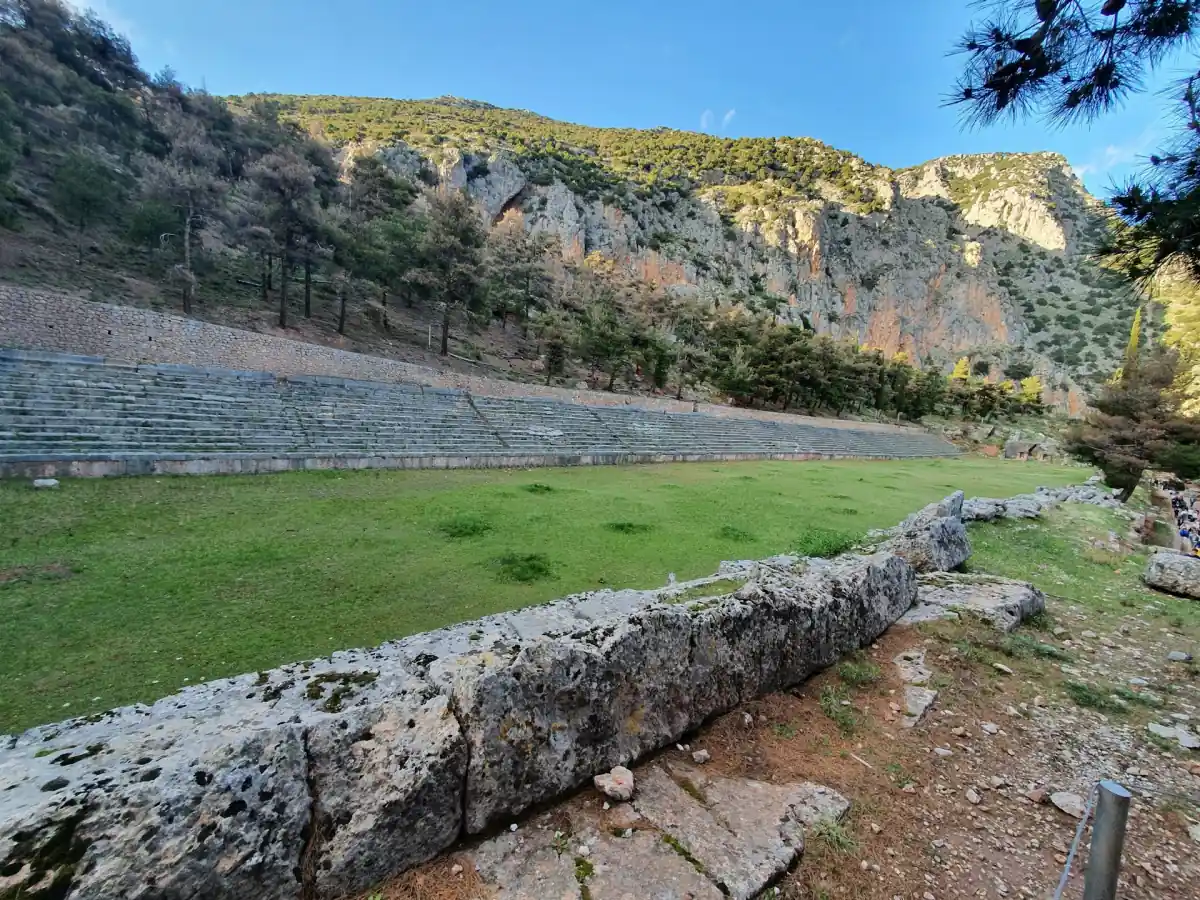
The Pythian Games took place every four years. The theatre and stadium help explain why Delphi should be understood as a place of collective celebration as well as consultation. Their positions above the temple also make the slope part of the historical story. Plan the walk around the routes available on the day rather than making the upper monuments a compulsory finish.
A local visitor report dated 31 August 2026, checked on 30 October 2026, reported the stadium, Athena Pronaia and Castalian Spring closed. Follow the current barriers when visiting. The museum provides another route into the games through the bronze Charioteer, a fifth-century BC dedication originally belonging to a larger chariot group. Its significance lies in the connection between athletic victory, offering and sanctuary.
The museum collection also brings architectural sculpture and smaller dedications into the same narrative. Allow time to compare the scale of the buildings outside with the objects associated with the sanctuary. A historical selection of collection highlights is a starting point for looking, while the displays available during the visit determine the actual encounter.
Choose how the history is explained
The bus excursion with virtual reality provides return transport from central pickup locations, a guide on the bus, a VR device and multilingual commentary. Site and museum admission depend on the selected option. It suits visitors who want digital interpretation alongside a journey from Athens; the bus commentary is separate from a guided walk inside the monuments.
The coach excursion with a professional guide includes guidance in the archaeological site and museum. A local private alternative provides a licensed guide for visitors arranging their own Delphi stay. Choose according to where explanation matters most: during the journey, beside the ruins or in discussion of the collection. For a broader comparison of travel formats, see Delphi tours.
Questions about your visit
Why was Delphi important to ancient Greek cities?
The oracle advised on matters including wars and colony foundations. Treasuries and offerings also made the sanctuary a setting for the public presence of different Greek cities.
Are the surviving temple ruins the earliest temple?
The visible remains belong to the fourth-century BC Doric successor. An earlier temple was destroyed by the earthquake of 373 BC.
How often were the Pythian Games held?
They took place every four years. The theatre, stadium and victory dedications help connect the games with the wider life of the sanctuary.
Can history be explored without walking to the stadium?
The Sacred Way, temple context and museum offer a substantial historical visit. Follow current barriers, particularly in light of the dated local report of a stadium closure.