
What the Delphi museum brings to your visit
The Delphi museum gives the sanctuary a human scale through statues, architectural sculpture and smaller dedications. The Charioteer, the Sphinx of the Naxians and the standing youths traditionally called Kleobis and Biton introduce different aspects of the collection. Plan to look at objects as evidence of how the sanctuary was used, rather than treating the museum as an optional shelter after seeing the ruins.
The relationship with the archaeological site is the starting point: buildings and paths show the setting of ancient activity, while works of art reveal something of its appearance and patrons. Choose a museum visit for close attention to objects, then use the outdoor monuments to place those objects within the wider sanctuary landscape. The collection themes described here are an orientation; follow the current gallery information for displays on the day.
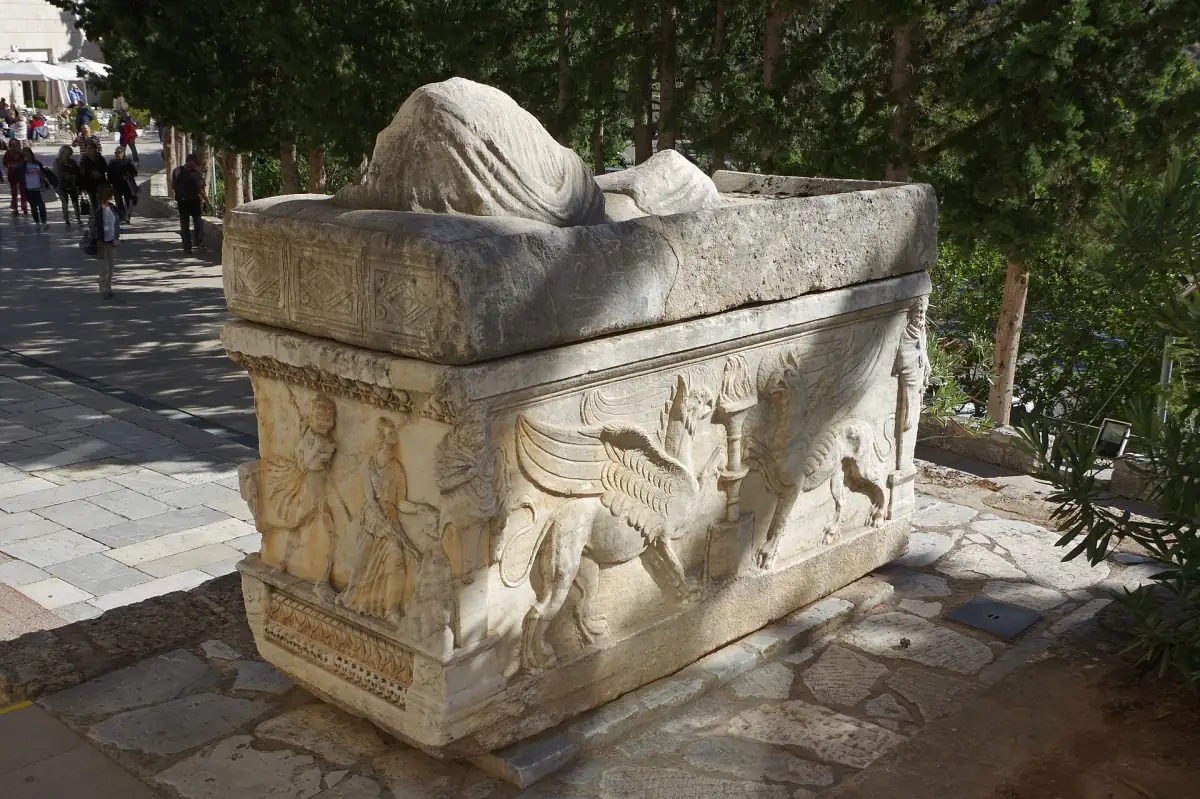
Our picks: museum and site
These options pair admission with audio for independent visits. Check the selected museum time and the audio option before booking.
Hand-picked tours, booked through GetYourGuide and Viator. Prices are indicative starting prices in euros (as of October 2026). Tap a tour for live availability and the current price in your currency.
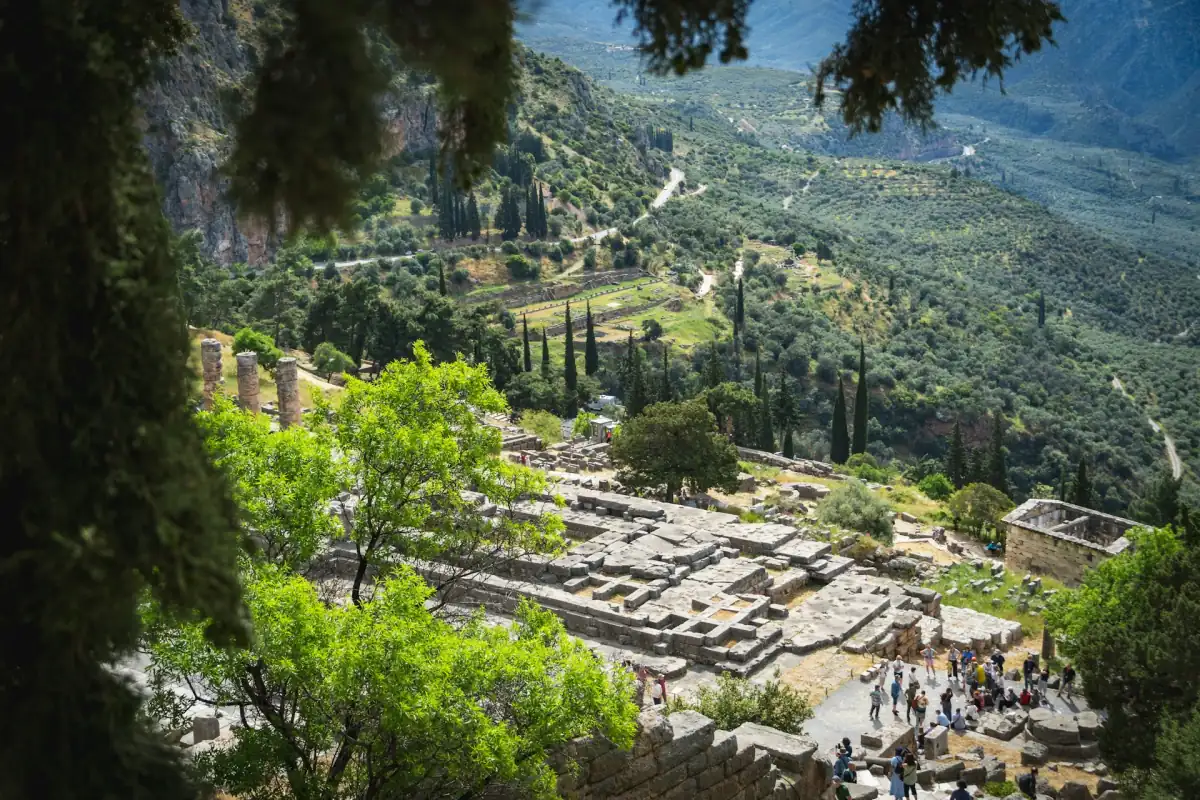
Delphi entry with downloadable audio
- Entry ticket
- Downloadable audio guide
Explore at your own pace with the downloadable guide.
Check availability →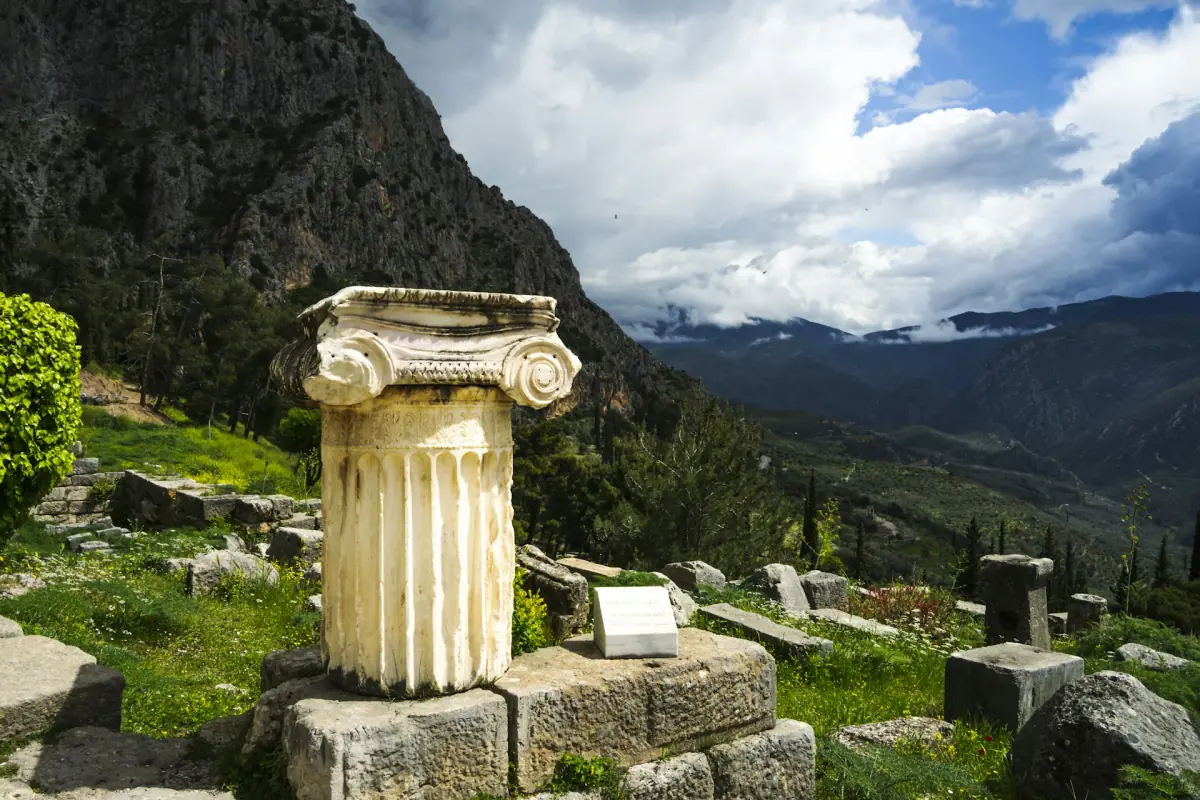
Delphi site and museum with audio
- Museum entrance at selected time
- Archaeological site entrance
- Self-guided museum audio tour
The site audio tour is included only with the corresponding option.
Check availability →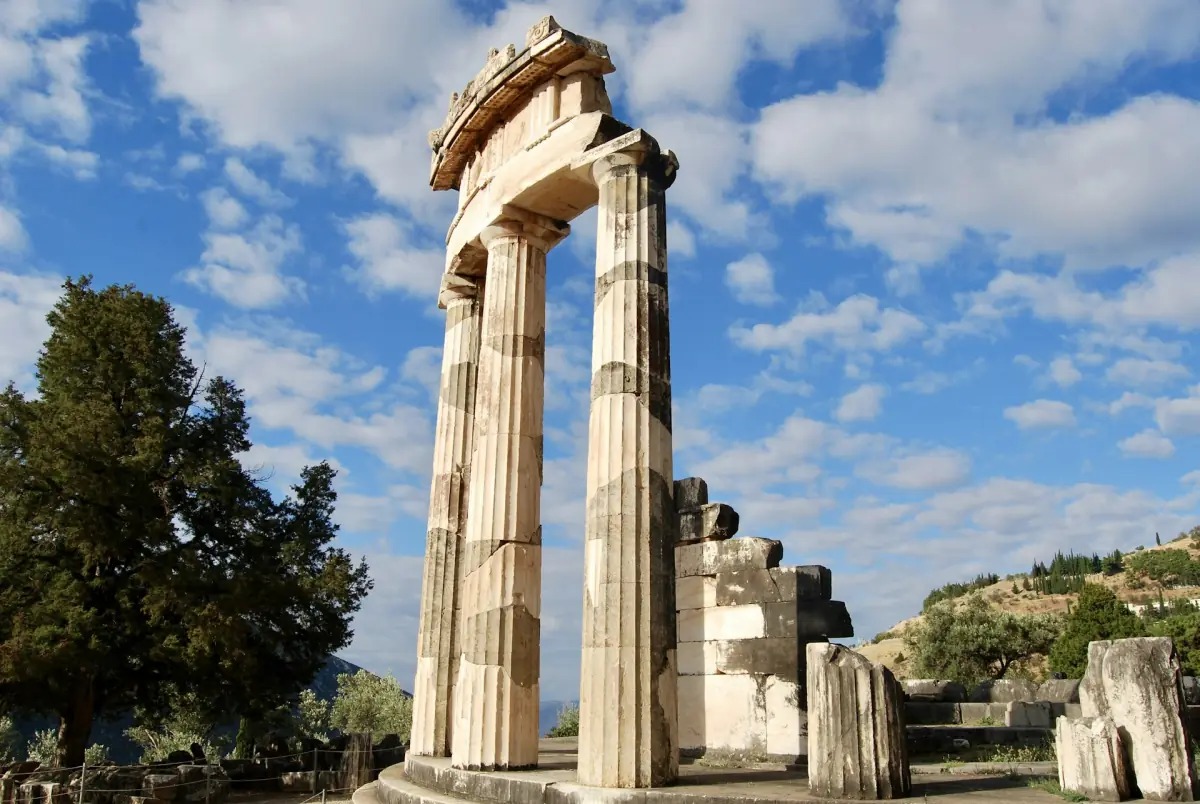
Museum and site with multilingual audio
- Museum and site audio tour
- Offline content
Visit the museum first at your selected time slot, followed by the site.
Check availability →Museum admission with recorded interpretation
Audio packages differ in museum scheduling and site commentary. Match the included interpretation to the parts of Delphi you want to explore.
Art and the sanctuary collection
The bronze Charioteer dates to the fifth century BC. It originally belonged to a larger chariot group dedicated to celebrate victory at the Pythian Games. That background matters: the surviving figure was part of a public dedication, not simply an independent statue made for a modern gallery. It connects athletic success, patronage and the sanctuary’s role as a meeting place.
The Sphinx of the Naxians and the standing youths offer other ways into ancient sculpture. The youths are traditionally identified as Kleobis and Biton, although an interpretation as the Dioscuri also exists. Keep that open identity in mind when reading labels or listening to commentary. The value of the visit lies partly in seeing how interpretations arise from material remains, rather than expecting every ancient figure to have a certain name.
Looking beyond the famous bronze
Architectural sculpture and smaller offerings help explain the buildings outside. A good approach is to look for connections between decorative fragments, dedications and the treasuries along the Sacred Way. The collection also includes themes such as hymns to Apollo with musical notation and a cup showing Apollo. These subjects broaden the visit from monumental stonework to music, ritual and the images used to represent the god.
Gold and ivory fragments have possible associations with Apollo, Artemis and Leto. Treat those associations as interpretations, rather than certain identities. Give yourself room to follow the labels and the current selection instead of turning a list of celebrated objects into a rigid checklist. For the religious ideas behind the art, read about the oracle and its traditions.
Which audio ticket fits the day?
One package combines museum entry at the selected date and time with site entry on that date and a museum audio tour. Site audio depends on the selected option. A different package specifies the museum first at its selected slot, followed by the archaeological site, with multilingual audio and offline content. This sequence belongs to that product and should guide planning when choosing it.
The downloadable-audio alternative includes an entry ticket and an audio guide. These are recorded self-guided visits, so bring the experience you want into the decision: listening beside an exhibit is different from discussing it with a person. The ticket guide explains the wider admission choices. The regular official combined ticket for museum and site is 20 EUR, including in winter, according to the ministry update of 8 September 2026; reduced admission is 10 EUR.
Hours and accessible planning
The museum’s winter calendar runs from 1 November to 31 March, 08:30 to 15:30. From 1 April to 31 October it opens 08:00 to 20:00, with summer Tuesdays running 10:00 to 17:00, according to the ministry’s 8 September 2026 update. Last admission is 20 minutes before closing. Use the opening-hours guide for closure dates and the distinct outdoor calendar, especially when combining both parts in autumn.
The heritage authority describes an accessible exhibition, a lift and a specially designed route, with accessible toilets in the forecourt. Designated disabled parking spaces are provided by the museum and site along the national road. The hillside sanctuary needs separate planning: a special vehicle to Apollo’s temple requires notice to the Ephorate at least 7 days ahead. Braille material and tactile educational offerings also support accessible visits to the museum.
Frequently asked questions
Is the Charioteer a complete chariot group?
The bronze figure originally formed part of a larger group commemorating a victory at the Pythian Games. Its earlier setting helps explain the dedication.
Is the museum closed every Tuesday?
The published summer Tuesday schedule is 10:00 to 17:00. Tuesday should therefore be included in planning using the correct museum calendar.
Do these audio tickets come with a live guide?
The assigned museum options offer recorded audio for a self-guided visit. Museum time slots, visit order and site audio vary by the particular package.